
John Ogden - Photographer/ Cinematographer


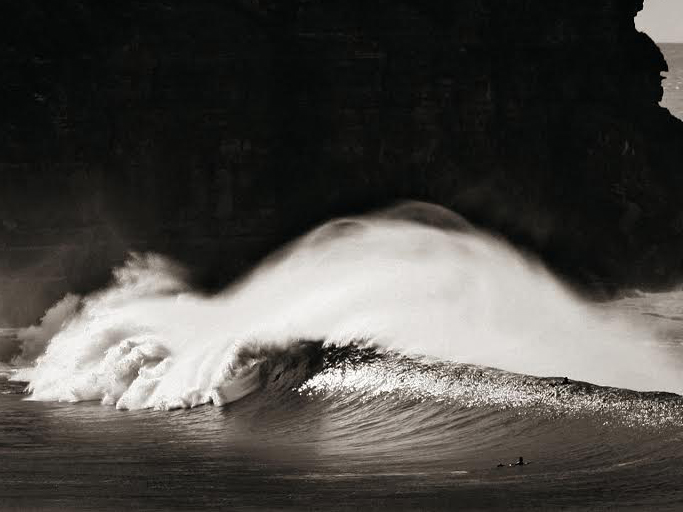
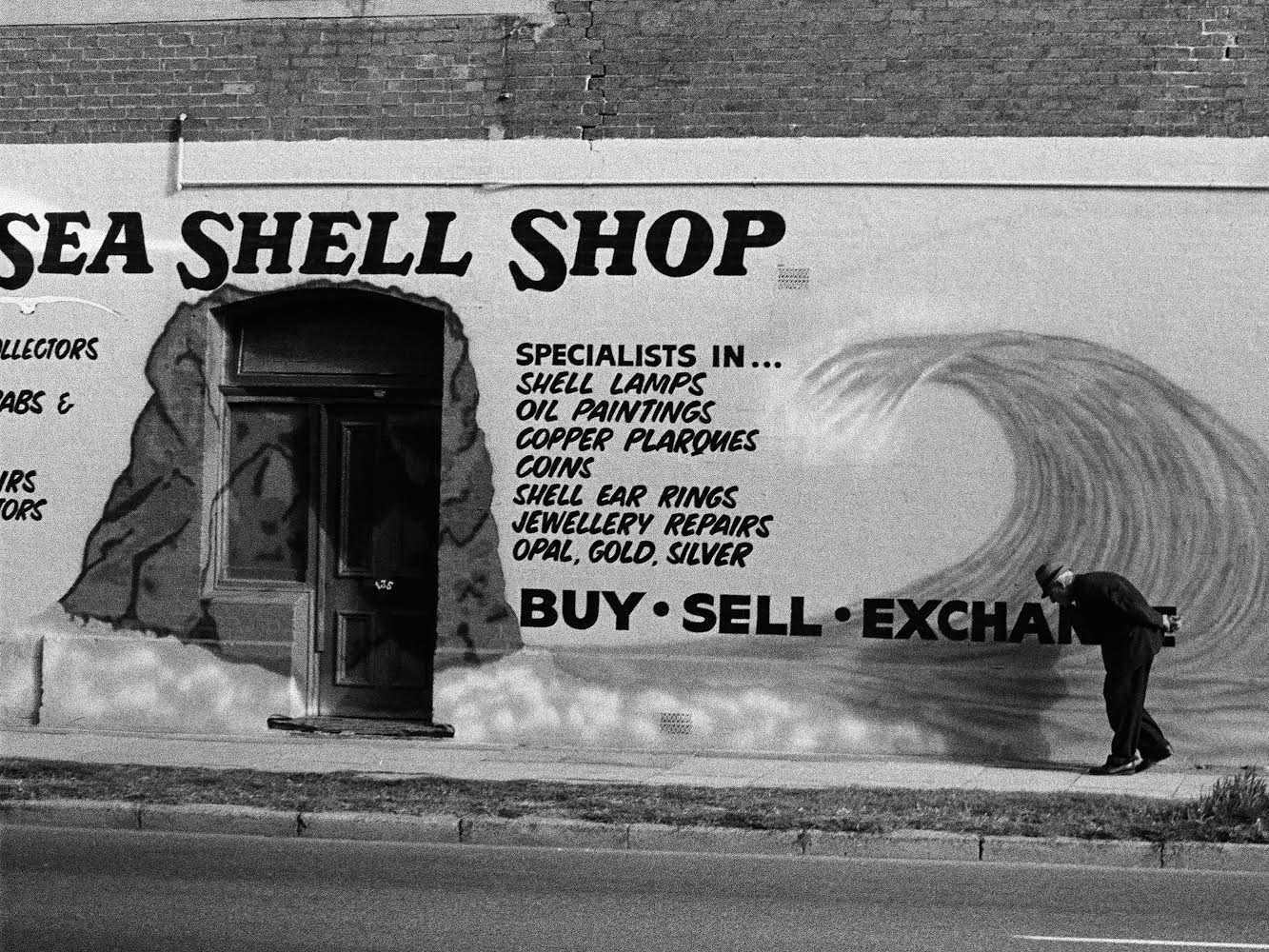
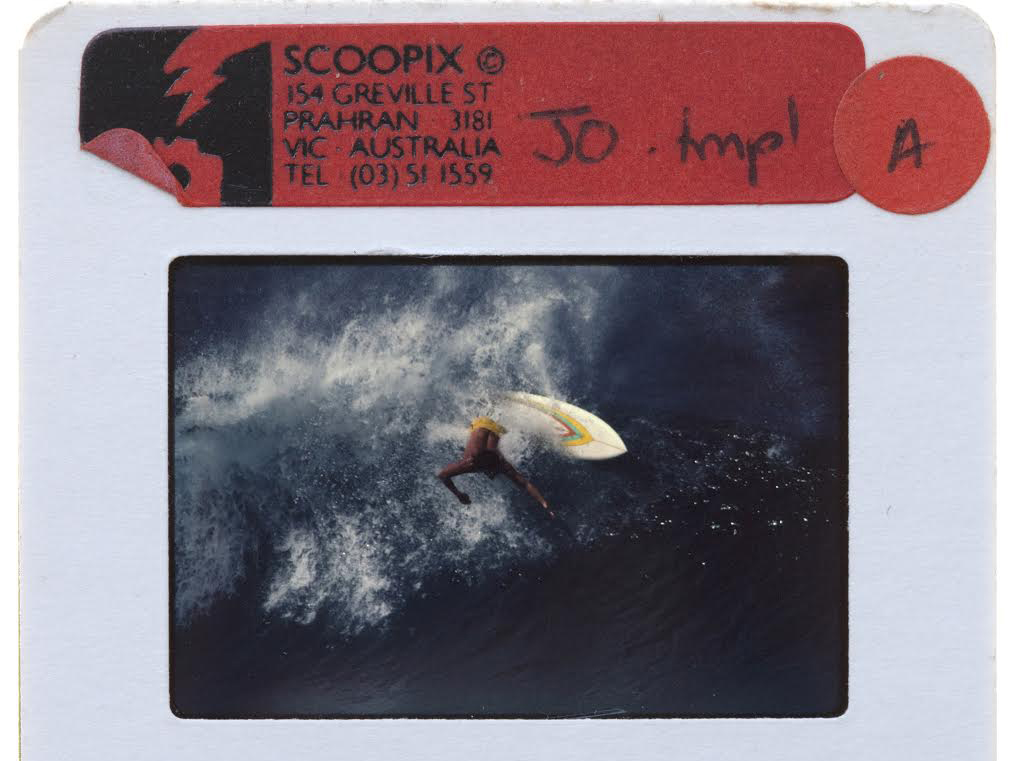
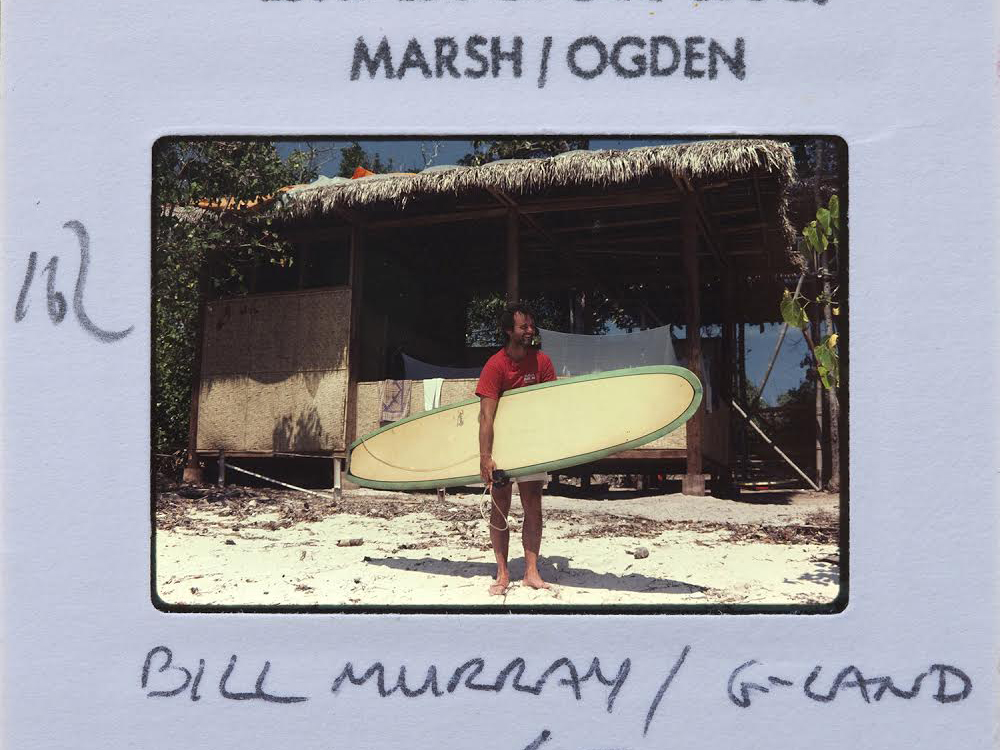

When and where did you start surfing?
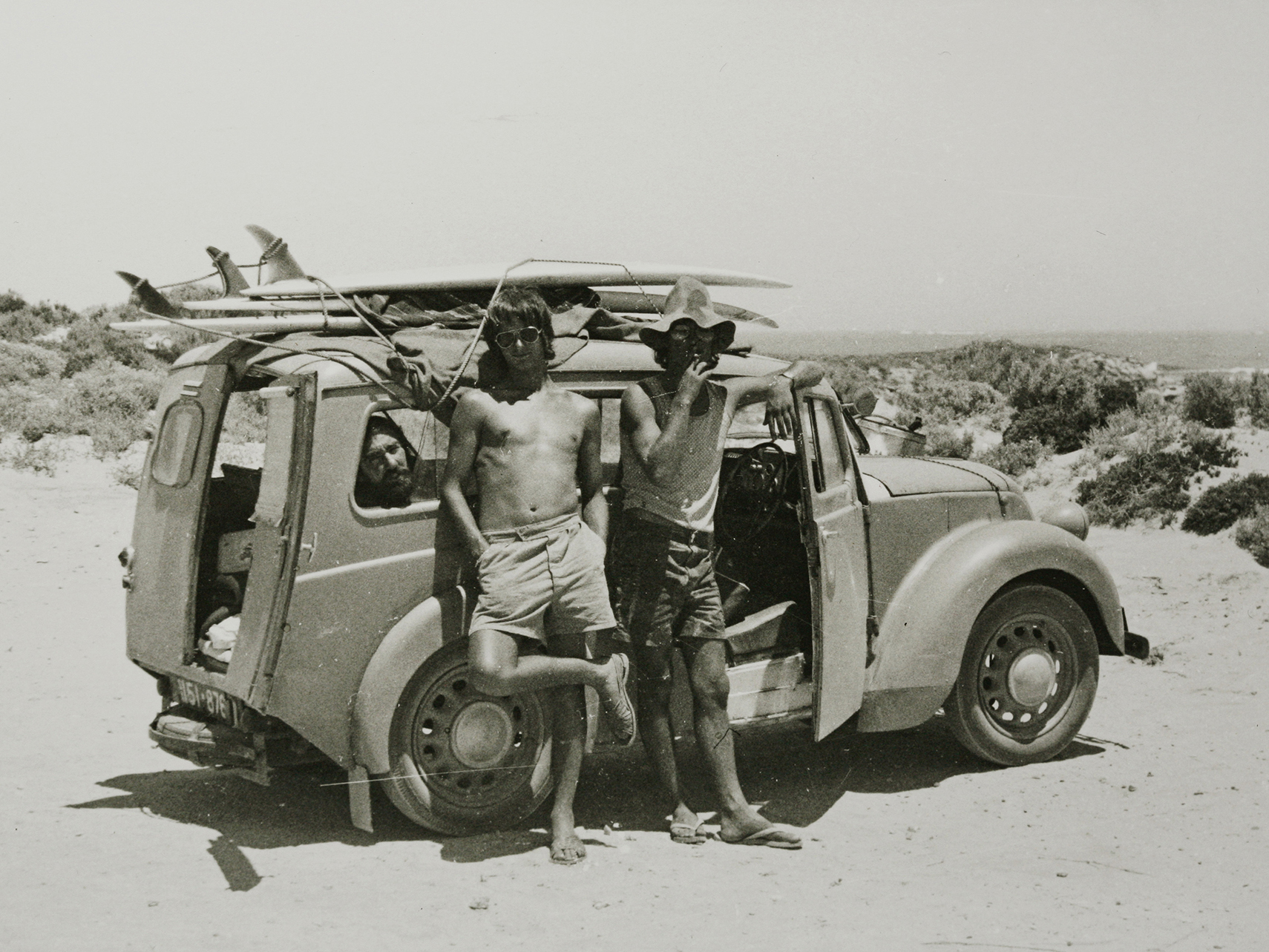
My family moved to the beachside suburb of Brighton on Gulf St Vincent in the 1950s, and by the mid 1960s and the arrival of the fiberglass Malibu boards I was firmly hooked to surfing.
Do you remember your first board?
My father made my first board … an 18 foot ‘toothpick’. He worked as a carpenter after the war, and, using the family garage as his workshop, he constructed the hollow board using wood ribs wrapped with marine ply. This craft was mainly used as a paddle-board, but the occasional storm would churn the placid Gulf waters to create waves to challenge us. By about 1966 I graduated to a second hand 9 foot Ron foam and fiberglass Malibu.
What is it that you love about surfing and the ocean?
The unpredictability of the ocean was a mirror to my own teenage turmoil. As a young kid, summers were spent fishing and swimming, and the ocean became a sanctuary where I could keep out of trouble. I found peace submerged in this watery, gravity-free realm, and trained myself to be able to stay underwater for long periods. The first time I saw a surfer take off on a wave and steer his board across the glassy wall I was instantly stoked. Surfing was much more in tune with my nature than the school team sports like cricket and football. Waves were repetitive but never the same, and surfing offered an individual challenge that was a relief from the pressures to conform.
What education have you had?
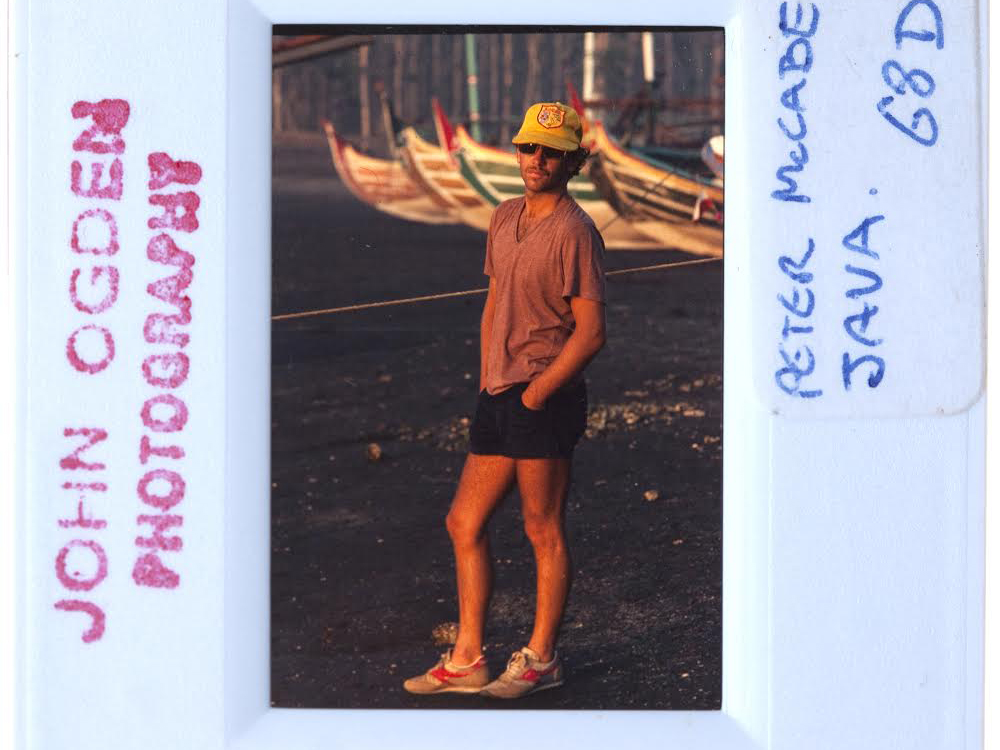
I never did that well at school as the curriculum never matched my interests. Besides, I was more interested in surfing and took off as soon as possible. I bummed around the Victorian west coast and northern NSW, living at Angourie for a while. When I was 19 I won the birthday lottery and escaped to Bali in those magic days before Morning of the Earth and the building of an international airport. This was in early 1972. After Gough was elected and conscription ended I returned to Adelaide and began studying psychology while working at a psychiatric hospital. I also got my first 35mm camera, and after about 18 months I left the hospital and returned to SE Asia to work as a photojournalist. The day I was to fly to Vietnam to photograph the war was the day that Saigon fell and I ended up documenting the war in Laos instead. In Bangkok I met Neil Davis , an Australian cinematographer whose work got me interested in moving pictures. I went to London in 1975 to study filmmaking but could not afford the fees, and when the Whitlam government was dismissed I decided to return home for the revolution. Strangely enough, many Australians thought it was okay that the Queen’s representative had sacked our elected Prime Minister and there was no revolution. Fortunately, Gough had brought in free tertiary education, and at the age of 25 I became the first in my family to be able to have a university education. I graduated (from what is now known as Curtin University) with a BA in English, majoring in film and photography.
How did your career in photography/ photo-journalism progress?
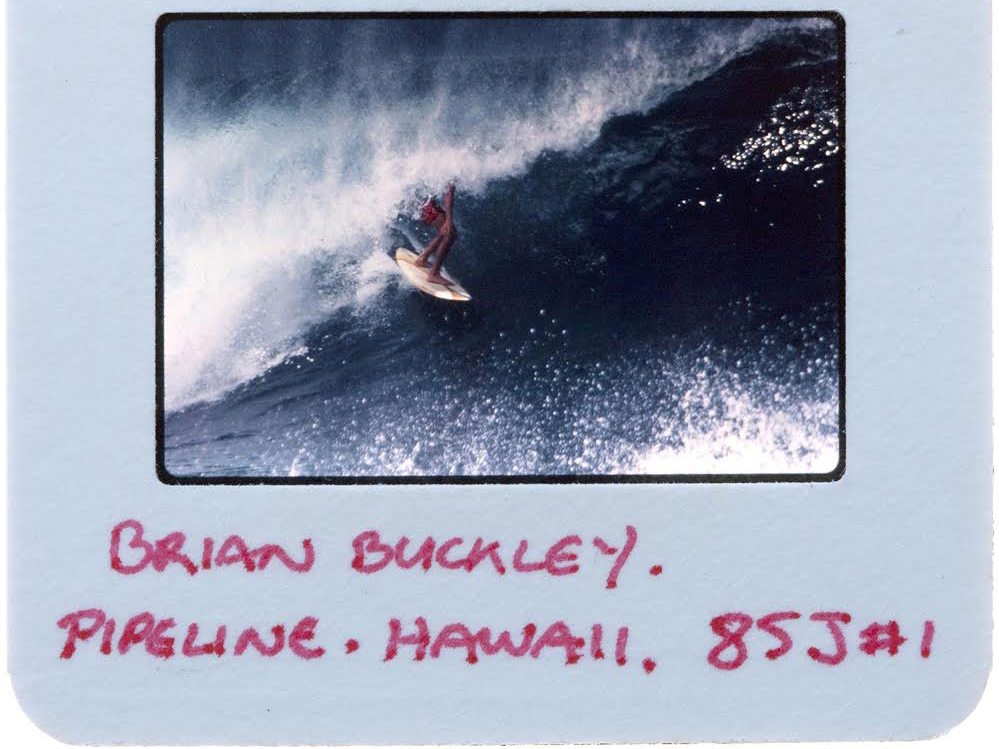
While studying in Perth during the second half of the 1970s I became the West Coast correspondent for Tracks magazine. Surf photography didn’t pay too well in those days and I now had a young family to support, which meant that I could not afford specialized equipment. To compensate, I did articles about the more esoteric adjuncts to surfing than following the contest scene. On graduating, I was employed as the water cameraman on a surf film, and spent much on 1980-81 filming in Indonesia, Hawaii and the east coast of Australia. This gig ended with the huge waves at the 1981 Bells Beach contest won by Simon Anderson. Despite having just completed a season in big Hawaiian surf, the waves were too big to swim out through, so Peter Crawford and me were dropped out the back from a helicopter. It was a frightening trip back to the beach with the rip pushing you towards the rocks at Winkipop. After that early surf film I worked on many different genres of cinematography, including documentaries, MTV, TV drama, feature films and commercials.
You've also been involved in filmmaking. From your experiences, in what ways do photography and cinematography compliment each other?
The kind of social documentary photojournalism I did taught you a lot about using available light and the nature of light, about exposure and composition. It also taught you about how best to convey the message in what you were documenting, by using the right lens and point of view. In photography the art is the achieve this in one frame, while in cinematography it usually involves a progression of shots to move the story forward and evoke the appropriate mood. In this ways it’s a bit like arranging a song, or publishing a book. Taking photographs is a more solitary pursuit, like going surfing, while filmmaking is usually a team effort. When it all comes together there is no better feeling, but one weak link can really poison the experience.
Can you tell us about Cyclops Press and the philosophy behind the work you're doing there?
Well Cyclops Press is actually a one-man-operation. I am the Director, researcher, author, photographer (although I often work with many other talented photographers
with help from freelance designers to do the final layouts
from what is now known as Curtin University) with a BA in English, majoring in film and photography. How did your career in photography/ photo-journalism progress? While studying in Perth during the second half of the 1970s I became the West Coast correspondent for Tracks magazine. Surf photography didn’t pay too well in those days and I now had a young family to support, which meant that I could not afford specialized equipment. To compensate, I did articles about the more esoteric adjuncts to surfing than following the contest scene. On graduating, I was employed as the water cameraman on a surf film, and spent much on 1980-81 filming in Indonesia, Hawaii and the east coast of Australia. This gig ended with the huge waves at the 1981 Bells Beach contest won by Simon Anderson. Despite having just completed a season in big Hawaiian surf, the waves were too big to swim out through, so Peter Crawford and me were dropped out the back from a helicopter. It was a frightening trip back to the beach with the rip pushing you towards the rocks at Winkipop. After that early surf film I worked on many different genres of cinematography, including documentaries, MTV, TV drama, feature films and commercials. You've also been involved in filmmaking. From your experiences, in what ways do photography and cinematography compliment each other? The kind of social documentary photojournalism I did taught you a lot about using available light and the nature of light, about exposure and composition. It also taught you about how best to convey the message in what you were documenting, by using the right lens and point of view. In photography the art is the achieve this in one frame, while in cinematography it usually involves a progression of shots to move the story forward and evoke the appropriate mood. In this ways it’s a bit like arranging a song, or publishing a book. Taking photographs is a more solitary pursuit, like going surfing, while filmmaking is usually a team effort. When it all comes together there is no better feeling, but one weak link can really poison the experience. Can you tell us about Cyclops Press and the philosophy behind the work you're doing there? Well Cyclops Press is actually a one-man-operation. I am the Director, researcher, author, photographer (although I often work with many other talented photographers
with help from freelance designers to do the final layouts
163,3,Kirstin Thompson - Salty at Heart'